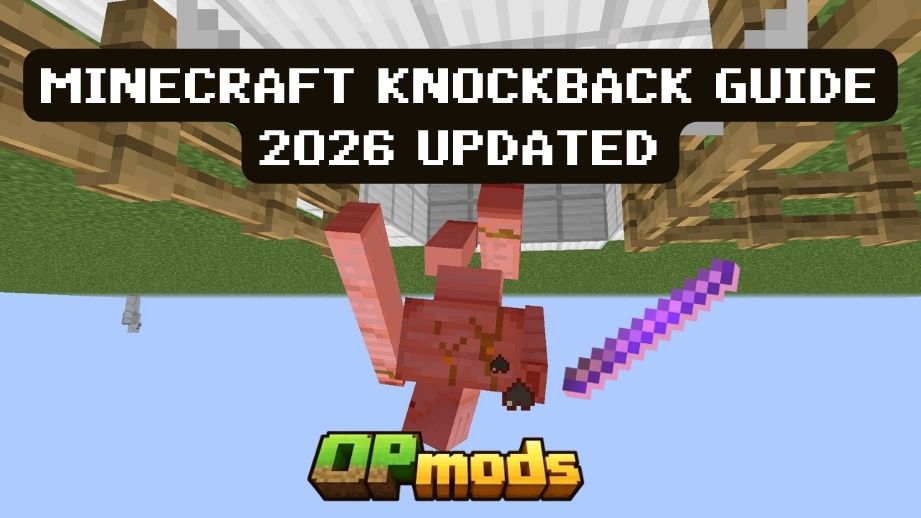
Knockback is one of Minecraft’s most debated combat enchantments. Some players consider it essential for survival, while others avoid it entirely—especially in PvP or mob farming setups.
Understanding how Knockback actually works, when it helps, and when it hurts your efficiency is key to deciding whether it belongs on your sword.
In this guide, we’ll break down how Knockback works, its strengths and weaknesses, and when it’s worth using in modern Minecraft.
What Is Knockback in Minecraft?
Knockback is a sword enchantment that increases the distance an enemy is pushed away when hit. While all melee attacks apply a small amount of base knockback, the Knockback enchantment significantly amplifies this effect.
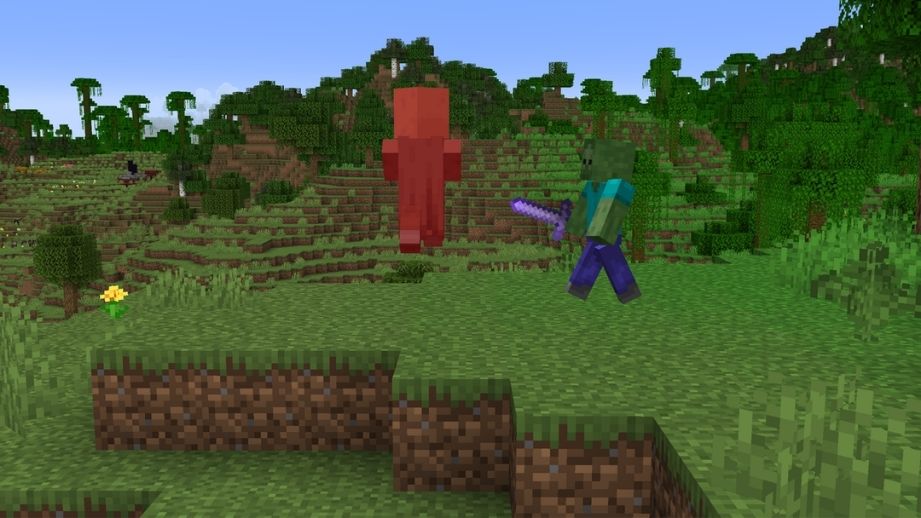
When used correctly, Knockback allows players to:
- Control spacing in combat
- Prevent mobs from getting close
- Reduce incoming damage by creating distance
Knockback is applied only to swords and affects most hostile mobs and players. It does not increase damage directly—instead, it changes how enemies move after being hit.
How Knockback Works (Mechanics Explained)
When you strike an entity:
- The game applies knockback force in the direction you’re facing
- The distance increases with each Knockback level
- Sprint-hitting applies additional knockback
Knockback stacks with:
- Sprint hits
- Critical hits
- Edge positioning (ledges, bridges, cliffs)
Because of this, Knockback can be extremely effective in terrain-based combat, where positioning matters more than raw damage.
Knockback Enchantment Levels
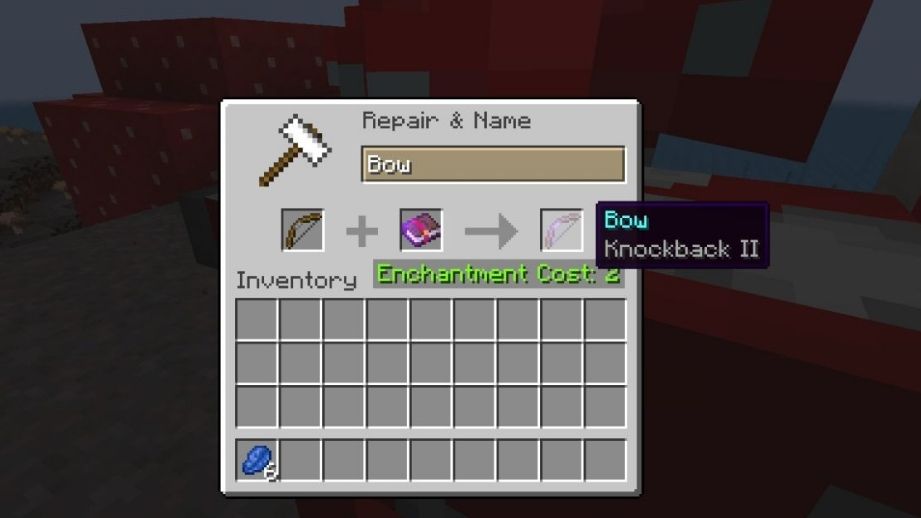
The Knockback enchantment has two levels:
- Knockback I – Moderate pushback
- Knockback II – Strong pushback
Knockback II creates significant separation between you and your target, often sending mobs flying several blocks away.
How to Obtain Knockback
You can get Knockback through:
- Enchanting tables
- Enchanted books (via anvils)
- Librarian villager trades
Higher levels are rarer and more costly in terms of experience.
Where Knockback Is Most Useful
PvE (Survival Gameplay)
Knockback shines in early and mid-game Survival, especially when armor and weapons are limited.
It is particularly effective against:
- Creepers (keeps them out of explosion range)
- Wither Skeletons (prevents close-range damage)
- Zombies and Husks (crowd control)
Knockback is also very strong in environments where falling is dangerous:
- Ravines
- Cliffs
- Bridges
- Nether fortresses
Knocking mobs off edges can end fights instantly without risking damage.
Crowd Control and Exploration
When exploring caves or structures, Knockback helps manage multiple enemies at once. Pushing mobs back gives you time to:
- Heal
- Reposition
- Control chokepoints
This makes Knockback especially helpful for newer players or hardcore survival runs.
Knockback in PvP
In PvP, Knockback becomes more controversial.
Advantages
- Disrupts enemy movement
- Can knock opponents into hazards
- Creates openings for repositioning
Disadvantages
- Reduces damage-per-second
- Can allow enemies to escape
- Makes it harder to chain hits
Because PvP often relies on consistent hit combos, many competitive players avoid Knockback entirely and prefer swords without it.
Downsides of the Knockback Enchantment
While useful, Knockback has notable drawbacks:
- Lower kill speed – Enemies are pushed out of reach
- Poor farm efficiency – Breaks mob positioning
- Less control in tight spaces – Can scatter mobs unpredictably
- PvP inconsistency – Makes follow-up hits harder
This is why Knockback is rarely used in automated mob farms or XP grinders.
Knockback vs Other Combat Enchantments
Knockback competes with enchantments like:
- Sharpness
- Fire Aspect
- Sweeping Edge (Java Edition)
While these increase damage output or hit multiple mobs, Knockback focuses purely on control. It doesn’t replace damage enchantments—it complements them in specific situations.
When Should You Use Knockback?
Knockback is best when:
- Exploring dangerous terrain
- Playing early-game Survival
- Defending yourself against groups
- Fighting near ledges or drops
Avoid Knockback when:
- Farming mobs efficiently
- Playing competitive PvP
- Maximizing damage output
Many experienced players keep multiple swords:
- One with Knockback for exploration
- One without Knockback for farming or PvP
Java vs Bedrock Differences
While the enchantment behaves similarly, Knockback feels slightly stronger and less predictable in Bedrock Edition due to differences in combat physics. Java Edition allows more precise hit control, making Knockback easier to manage.
Is Knockback Worth Using?
Knockback is neither good nor bad—it’s situational. Used correctly, it can save your life and give you control in dangerous encounters. Used poorly, it can slow combat and reduce efficiency.
Understanding when to use Knockback is what separates experienced players from beginners.
Final Thoughts
Knockback is one of Minecraft’s most misunderstood enchantments. It doesn’t increase damage, but it changes the flow of combat in ways that can be extremely powerful in the right context.
Whether you love it or avoid it, knowing how Knockback works allows you to make smarter decisions about your gear and playstyle.